Author Archives: Gregory Murphy

The Distributed Systems Patterns That Actually Matter (And The Ones That Don’t)

Why Most Pattern Discussions Miss the Point After fifteen years of building distributed systems that handle everything from high-frequency trading to global content delivery, I’ve watched countless teams chase the latest architectural patterns like they’re collecting Pokemon cards. The problem isn’t that these patterns are inherently bad. The problem is that most discussions treat them… Read More: The Distributed Systems Patterns That Actually Matter (And The Ones… »

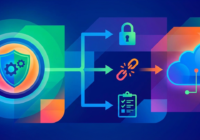
The Evolution of Microservices Communication: What Seven Years in Production Taught Me About What’s Coming Next

The Current State: HTTP REST’s Reign and Its Cracks After seven years of building and maintaining microservices architectures across three different companies, I’ve watched the communication patterns evolve from simple HTTP REST calls to increasingly sophisticated protocols. The industry settled on REST over HTTP as the de facto standard for good reasons: it’s simple, debuggable,… Read More: The Evolution of Microservices Communication: What Seven Years in Production… »

Your First Security Assessment: Building a Foundation That Actually Works

Why Most First Attempts Fall Apart I’ve watched countless teams dive headfirst into vulnerability assessments with expensive scanners and elaborate methodologies, only to produce reports that gather dust on executive desks. The problem isn’t the tools or the intention. Most organizations skip the foundational work that makes security assessments meaningful rather than just expensive checkbox… Read More: Your First Security Assessment: Building a Foundation That Actually Works »

Technical Debt Is Not Your Friend: A Field Guide to Actually Managing It

The Mythology of Acceptable Technical Debt Every engineering organization I’ve worked with over the past fifteen years has had some variation of the same conversation. Product wants features faster. Engineering says they need to “pay down technical debt first.” Leadership asks for a timeline. Engineering gives a vague estimate. Nothing concrete happens, and six months… Read More: Technical Debt Is Not Your Friend: A Field Guide to… »

Why Your Database Queries Are Slow (And What Physics Can Teach Us About Fixing Them)

The Fundamental Physics of Data Retrieval After twenty years of debugging slow queries at 3 AM, I’ve learned that database performance isn’t magic. It follows predictable physical laws, much like the behavior of light or gravity. When developers tell me their queries “just became slow,” I know we’re dealing with one of three fundamental bottlenecks:… Read More: Why Your Database Queries Are Slow (And What Physics Can… »

Infrastructure as Code: Hard-Earned Lessons from a Decade in the Trenches

Why Most Teams Get IaC Wrong From Day One I’ve watched countless engineering teams approach Infrastructure as Code like it’s just another development project. They jump in headfirst, spinning up Terraform modules or CloudFormation templates without establishing the foundational practices that separate sustainable infrastructure from tomorrow’s technical debt. The enthusiasm is great, but the approach… Read More: Infrastructure as Code: Hard-Earned Lessons from a Decade in the… »

The Saga Pattern: When Two-Phase Commit Just Won’t Cut It

Why Distributed Transactions Are Everyone’s Least Favorite Problem After fifteen years of building systems that need to coordinate work across multiple services, I can tell you that distributed transactions remain one of the most misunderstood and poorly implemented aspects of modern architecture. The textbook solution everyone learns first is two-phase commit (2PC), and it works… Read More: The Saga Pattern: When Two-Phase Commit Just Won’t Cut It »

Security Assessment Evolution: Signal and Noise in Tomorrow’s Vulnerability Landscape

The Shifting Foundation of Vulnerability Assessment After two decades of watching security assessment methodologies evolve from simple port scans to complex behavioral analysis, I’ve learned to distinguish between genuine innovation and vendor marketing noise. The fundamentals haven’t changed: we still need to identify, classify, and prioritize security weaknesses. What has changed dramatically is the complexity… Read More: Security Assessment Evolution: Signal and Noise in Tomorrow’s Vulnerability Landscape »