Why Most First Attempts Fall Apart
I’ve watched countless teams dive headfirst into vulnerability assessments with expensive scanners and elaborate methodologies, only to produce reports that gather dust on executive desks. The problem isn’t the tools or the intention. Most organizations skip the foundational work that makes security assessments meaningful rather than just expensive checkbox exercises.
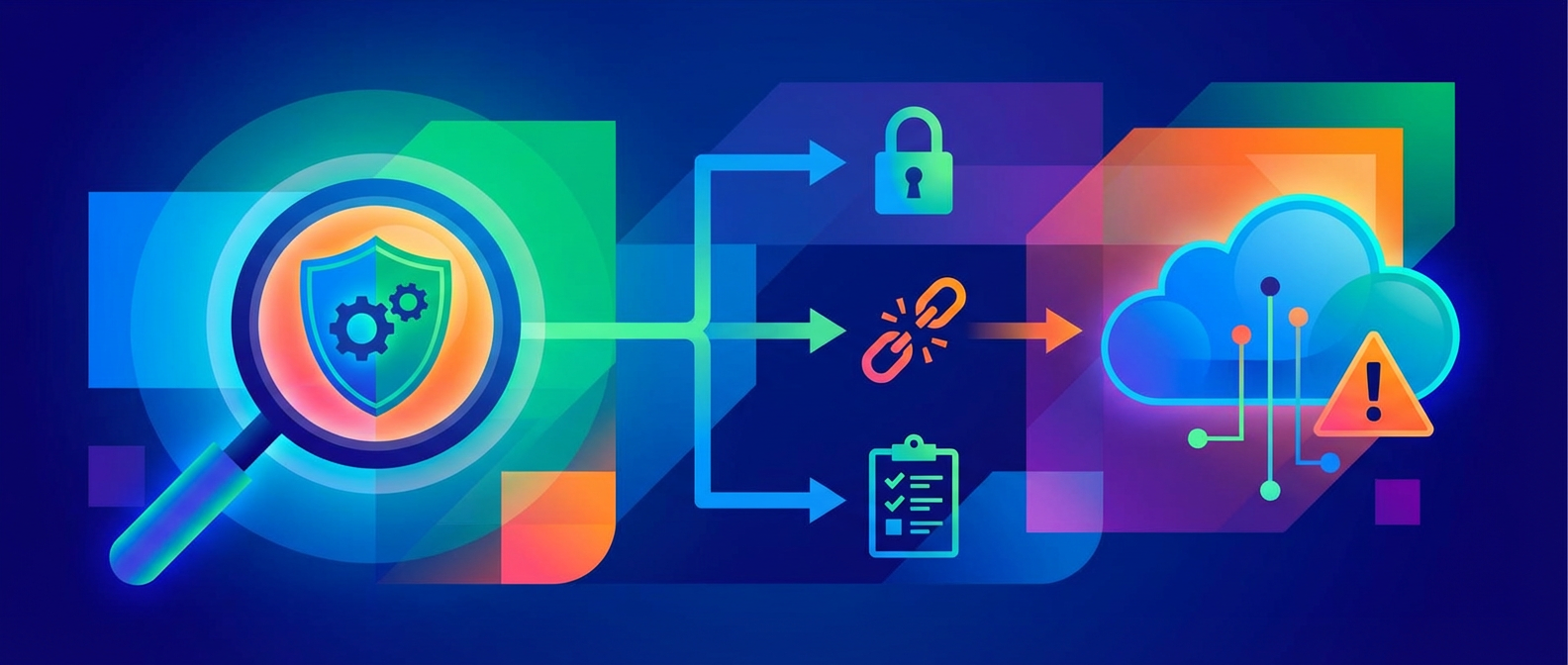
After fifteen years of building and breaking systems across everything from startups to Fortune 500 environments, I’ve learned that successful vulnerability assessment programs share three characteristics: they start small, they prioritize ruthlessly, and they focus on fixing things rather than just finding them. The teams that succeed understand that a security assessment isn’t a one-time event. It’s the beginning of an ongoing conversation between your security posture and business reality.
The methodology that works isn’t the one that finds the most vulnerabilities. It’s the one that finds the vulnerabilities you can actually do something about, prioritizes them correctly, and creates a sustainable process for continuous improvement. This means accepting that your first assessment will be imperfect, incomplete, and absolutely essential for everything that comes after.

Start With Asset Discovery: Know What You’re Protecting
Before you can assess vulnerabilities, you need to know what assets you’re assessing. This sounds obvious until you realize that most organizations have only a fuzzy idea of their actual attack surface. I’ve seen companies spend months scanning networks while completely missing cloud resources, shadow IT deployments, and legacy systems that everyone assumed someone else was monitoring.
Begin with a simple spreadsheet. List every system that processes, stores, or transmits data your organization cares about. Include physical servers, virtual machines, cloud instances, network devices, and applications. For each asset, capture the business function it serves, who owns it, and what data it handles. This manual process feels tedious, but it forces conversations that automated discovery tools miss entirely.
Once you have your initial inventory, validate it through multiple methods. Network scanning tools like Nmap can reveal systems your spreadsheet missed. DNS enumeration might uncover forgotten subdomains. Cloud provider APIs can export instance lists that surprise everyone. The goal isn’t perfect accuracy on day one but establishing a process that improves your asset visibility over time.
Document everything in a format that stakeholders can actually use. A CSV file that IT can update is infinitely more valuable than a beautiful dashboard that requires specialized tools to maintain. Your asset inventory will become the foundation for risk prioritization, so make it accessible to the people who understand business impact best.
Choose Your Initial Scope Carefully
The temptation is to assess everything at once. Resist this completely. Broad initial assessments generate overwhelming results that paralyze decision-making and exhaust remediation resources. Instead, select a narrow scope that represents real business risk and offers quick wins to build program momentum.
Start with your most critical customer-facing applications and the infrastructure that supports them. These systems typically offer the best combination of business impact and stakeholder attention. If you’re protecting customer data, payment processing, or core business functions, vulnerabilities here matter immediately and obviously to people who control budgets.
Within your chosen scope, focus initially on high-confidence, low-effort findings. Unpatched systems with known exploits, default credentials, and basic misconfigurations provide clear remediation paths that demonstrate immediate value. Save the complex research projects and edge-case vulnerabilities for later iterations when you’ve established credibility and developed mature processes.
Set explicit boundaries and communicate them clearly. Define which systems you’re assessing, which types of vulnerabilities you’re initially focusing on, and what remediation timeline stakeholders should expect. Managing expectations prevents the scope creep that kills first-time assessment programs before they can prove their value.
Build a Repeatable Process, Not a Perfect One
Your first methodology should prioritize consistency over comprehensiveness. Establish a workflow that you can execute regularly with available resources rather than an ideal process that requires perfect conditions. The best assessment program is one that actually happens on schedule, not one that exists only in documentation.
Structure your process around three phases: discovery, analysis, and remediation tracking. During discovery, gather vulnerability data through whatever combination of automated tools and manual testing fits your budget and skill level. A free Nessus home license or OpenVAS installation can provide substantial value for small environments, while larger organizations might justify commercial platforms from the start.
Analysis is where most programs stumble because they try to evaluate every finding with equal rigor. Instead, develop a simple triage system based on exploitability, business impact, and remediation cost. Critical vulnerabilities in internet-facing systems get immediate attention. Medium-risk findings in internal networks get scheduled maintenance windows. Low-priority items get documented for future consideration. The specific criteria matter less than applying them consistently.
Remediation tracking separates effective programs from security theater. Assign ownership for each finding to specific individuals with realistic timelines. Track progress in whatever system your organization already uses for project management rather than building new tools that create overhead. The goal is accountability, not perfection.
Focus on Communication and Continuous Improvement
Technical accuracy means nothing if you can’t communicate findings effectively to people who make business decisions. Develop reporting templates that separate technical details from business impact and provide clear recommendations for each audience. Executives need to understand cost and timeline implications. Technical teams need specific remediation steps. Compliance teams need evidence that you’re addressing regulatory requirements.
Schedule regular review meetings that focus on process improvement rather than just vulnerability status. What findings took longer than expected to investigate? Which remediation efforts encountered unexpected obstacles? How can you improve accuracy of business impact assessments? These conversations turn vulnerability assessment from a periodic audit into a continuous feedback loop that improves organizational security over time.
Measure success through metrics that matter to your organization’s goals. If you’re focused on compliance, track remediation times for different risk levels. If you’re worried about customer trust, monitor vulnerabilities in customer-facing systems. If budget is the primary constraint, measure cost per vulnerability resolved. The specific metrics matter less than choosing ones that align with stakeholder priorities and drive desired behaviors.
Every assessment teaches you something about your environment, your processes, and your priorities. Capture these lessons explicitly and incorporate them into your methodology. The teams that build effective long-term programs treat each assessment as an opportunity to get slightly better at understanding and reducing their actual risk rather than just completing a checklist of security activities.
Building an effective vulnerability assessment program requires patience, iteration, and a willingness to start before you feel ready. The methodology that works for your organization will emerge through practice rather than planning, but it starts with taking that first concrete step toward understanding what you’re actually protecting and why it matters.